
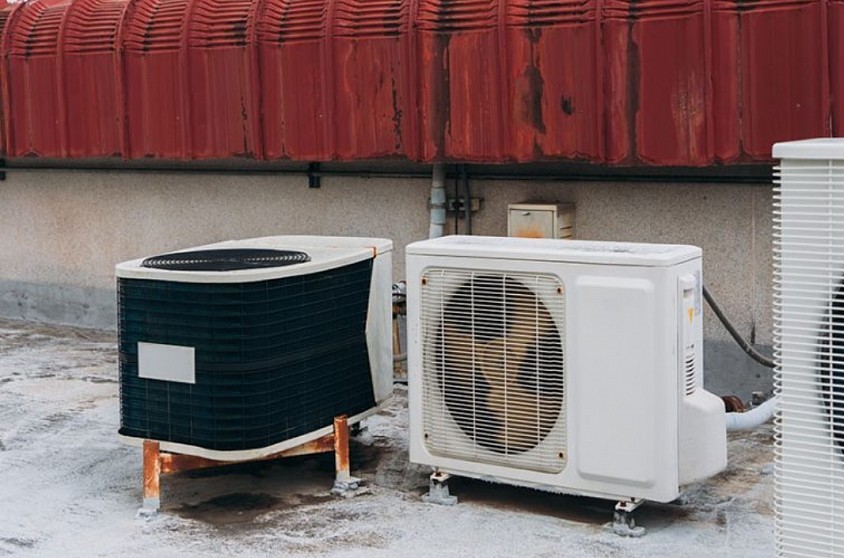
Smart steps for timely air conditioning repair and seasonal furnace repair readiness
1. Know the early warning signs
Small issues often hint at bigger problems ahead, and recognizing them can prevent costly breakdowns. Unusual noises, hot and cold spots, musty odors, frequent cycling, and rising utility bills all suggest your cooling system needs attention. If your equipment struggles during mild weather, it may falter when heat peaks. Taking action early also helps you plan for seasonal needs like routine furnace repair before colder nights arrive, keeping your whole HVAC setup running smoothly year-round.
2. Prioritize airflow and filtration
Good airflow is the backbone of reliable cooling. Clogged filters restrict circulation, cause coils to freeze, and strain motors. Replace filters on a regular schedule based on your household’s usage and indoor air quality needs. Make sure supply and return vents are open and unobstructed by furniture, drapes, or rugs. Clean registers and ensure the outdoor condenser has at least a few feet of clearance from shrubs and debris. Strong airflow supports system performance now and reduces the likelihood that cooling issues will spill over into the heating season, when efficient circulation is just as vital as timely furnace repair.
3. Keep coils and condensate components clean
Dust, pet dander, and outdoor debris accumulate on coils and inside the condensate system. Dirty evaporator and condenser coils reduce heat transfer, forcing the equipment to run longer and harder. A clogged condensate drain can back up water, triggering safety switches or causing water damage. Routine cleaning helps your system cool more effectively and safeguards electrical components. This attention to detail also prepares the system for seamless seasonal changeovers, minimizing surprises once it’s time to handle heating tasks and schedule furnace repair as needed.
4. Calibrate thermostats and check electrical connections
A miscalibrated thermostat can cause erratic cycling and temperature swings that feel uncomfortable and waste energy. Verify settings, placement, and programming to match your daily schedule. Loose electrical connections lead to intermittent failures that are tough to diagnose and can damage components. Periodic inspections help pinpoint weak relays, worn contactors, and heat-stressed wires before they fail under summer load. When the calendar turns, this same diligence supports reliable ignition and blower performance, reducing the odds you’ll face urgent furnace repair on the first chilly night.
5. Address refrigerant and ductwork issues properly
Low refrigerant levels point to a leak that should be located and fixed, not just topped off. Inefficient cooling, ice on lines, or hissing sounds are common indicators. Likewise, leaky ducts waste conditioned air into attics or crawl spaces and draw unfiltered air indoors, affecting comfort and cleanliness. Sealing and insulating ducts can restore balanced airflow to every room. When your distribution system is tight and refrigerant levels are correct, both cooling and heating equipment run with less stress, extending service life and lowering the chance of emergency furnace repair when seasons shift.
6. Balance comfort with indoor air quality
Comfort goes beyond temperature. Humidity control, proper ventilation, and clean filtration all support a healthier home. Consider dehumidification strategies to relieve the system of excess moisture load during muggy months. Verify that bathroom and kitchen vents exhaust properly to the outdoors. Cleaner air helps coils and blowers stay free of buildup, supporting steady performance. Better indoor air quality also reduces wear on heating components, helping you sidestep problems that might otherwise lead to mid-season furnace repair.
7. Plan maintenance around local climate patterns
Hot summers and variable shoulder seasons put unique demands on cooling equipment. Schedule maintenance before peak heat to catch issues early and reduce downtime when you rely on cooling the most. As summer winds down, line up a safety and performance check for heating components so you’re not caught off guard by the first cold snap. This forward-looking approach ensures that any needed furnace repair is handled on your terms, not during a rush.
8. Document service history and system performance
Keep notes on filter changes, cleaning dates, and any parts replaced. Track unusual sounds, smells, or error codes, and record thermostat settings that work well for your household. A clear history speeds accurate diagnosis, improves repair efficiency, and preserves warranty coverage. It also informs decisions about upgrades or adjustments that enhance both cooling and heating reliability, helping you maintain comfort while reducing the likelihood of urgent furnace repair when temperatures swing.
A steady routine of observation, cleaning, calibration, and planning keeps cooling equipment dependable through the hottest stretches and sets the stage for smooth seasonal transitions. With attention to airflow, coils, controls, and distribution, you protect comfort now and stay ready for timely furnace repair when cooler weather arrives.
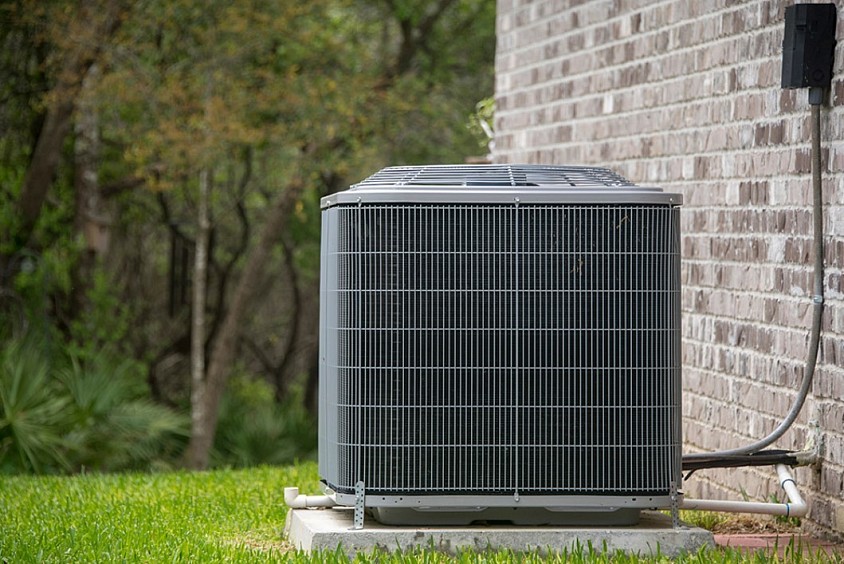
What homeowners should know about urgent cooling calls and emergency ac repair
A scorching afternoon can turn uncomfortable fast when a cooling system fails, and knowing what to expect from EMERGENCY AC REPAIR helps homeowners act quickly and confidently. Understanding how urgent service works, how to prepare before a technician arrives, and what steps to take afterward can reduce downtime and protect your equipment from further damage. The following guide explains key considerations to keep your home safe and your system running as soon as possible.
1. Recognize the signs of a true emergency
Some symptoms signal a situation that can’t wait. If the system is blowing warm air during extreme heat, repeatedly tripping breakers, making burning or electrical odors, or leaking near electrical components, it’s time to request EMERGENCY AC REPAIR. These issues can escalate and may put your comfort or safety at risk. Unusual noises like grinding, screeching, or loud banging can also indicate imminent component failure.
2. Take quick safety steps before help arrives
Turn off power at the thermostat first. If you notice electrical smells, shut off the breaker serving the air handler or condenser. Clear the area around the indoor and outdoor units to provide safe access. If water is pooling, place towels or a shallow tray to prevent damage to flooring, and avoid walking through wet areas near electricity. Make a note of error codes on the thermostat or control panel, as these details can speed troubleshooting.
3. Share detailed information when scheduling
Clear, concise details help the dispatcher prioritize the call and send the right expertise. Describe the noises you heard, any recent work on the system, changes to airflow, and whether the issue began after a storm or power surge. Mention the age of the system if you know it and whether filters were recently replaced. Accurate information allows the technician to gather appropriate parts and tools before arriving.
4. Expect a focused diagnostic process
Upon arrival, a technician will typically verify the complaint, check thermostat settings, inspect airflow restrictions, evaluate electrical connections, and test capacitors, contactors, and motors. They may measure temperature differentials, inspect the drain system for clogs, and check refrigerant-related components. The goal is to locate the root cause, prevent additional damage, and restore safe operation as quickly as possible.
5. Understand common urgent issues and remedies
Frequent after-hours problems include failed start components, seized fan motors, clogged condensate drains triggering safety switches, and shorted contactors. In some cases, debris around the outdoor unit restricts airflow and causes overheating. Temporary remedies might include replacing a faulty electrical component, clearing a drain blockage, or stabilizing a failing motor to restore cooling until a permanent part can be installed. Your technician will explain immediate options and recommended follow-up.
6. Prioritize preventive maintenance after the fix
Once EMERGENCY AC REPAIR restores cooling, schedule a thorough system check to prevent repeat breakdowns. Routine filter changes, coil cleaning, drain line treatments, and electrical inspections help maintain efficiency and reliability. Confirm that airflow is balanced, vents are open, and outdoor clearances are maintained. Proactive attention reduces stress on components and can extend the life of your equipment.
7. Manage indoor comfort while you wait
Keep blinds and curtains closed on sun-facing windows, run ceiling fans counterclockwise to improve air circulation, and limit heat-generating activities like baking. If safe, ventilate during cooler evening hours. These small steps can make your home more comfortable until service is completed.
8. Protect your system during weather extremes
Sudden outages during severe heat often follow storms or power fluctuations. Consider using a quality surge protective strategy for your HVAC equipment and ensure the condenser area is free of branches and yard debris. After a storm, visually inspect for damage from a safe distance and note any unusual sounds upon startup.
9. Keep essential information accessible
Store your system model numbers, filter sizes, and any warranty documentation in a handy spot. Maintain a simple log of past maintenance and repairs. When urgent issues arise, quick access to this information helps streamline conversations and decisions.
10. Know when to consider long-term solutions
If urgent calls become frequent, discuss underlying causes with your technician. Duct restrictions, inadequate sizing, aging components, or persistent electrical issues may require a broader plan. Addressing root problems can reduce future emergencies, stabilize comfort, and support more dependable performance.
Swift action, clear communication, and a plan for follow-up are the pillars of effective EMERGENCY AC REPAIR. With preparation and preventive care, homeowners can weather unexpected breakdowns and keep their living spaces cool when it matters most.